

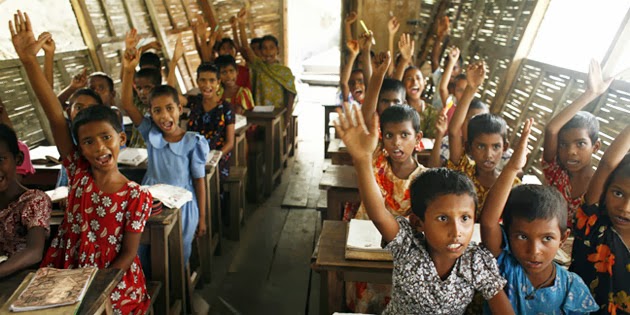
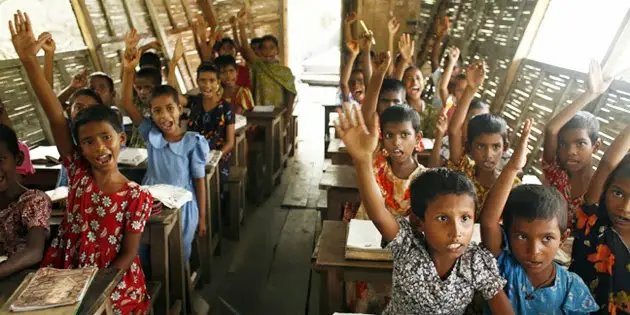

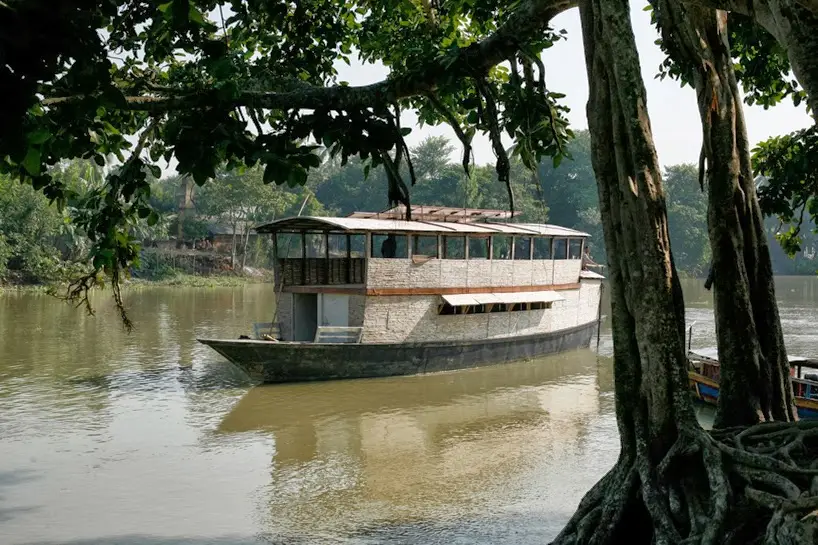
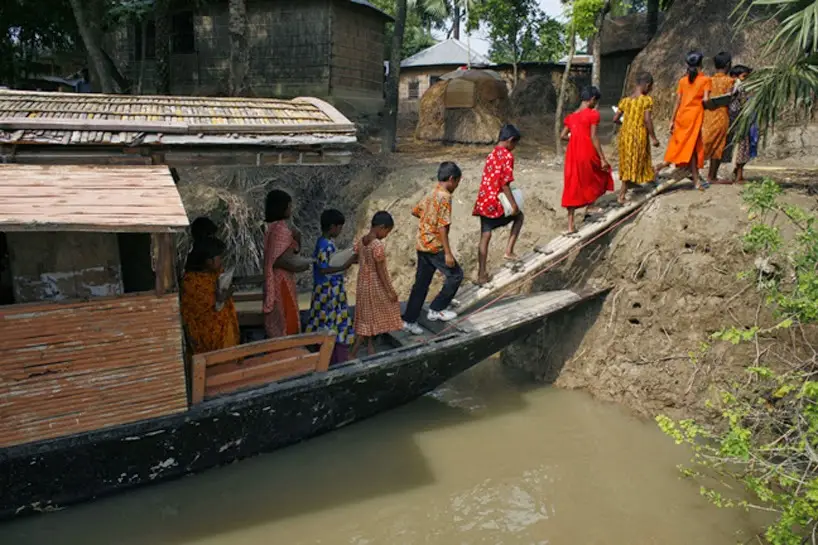

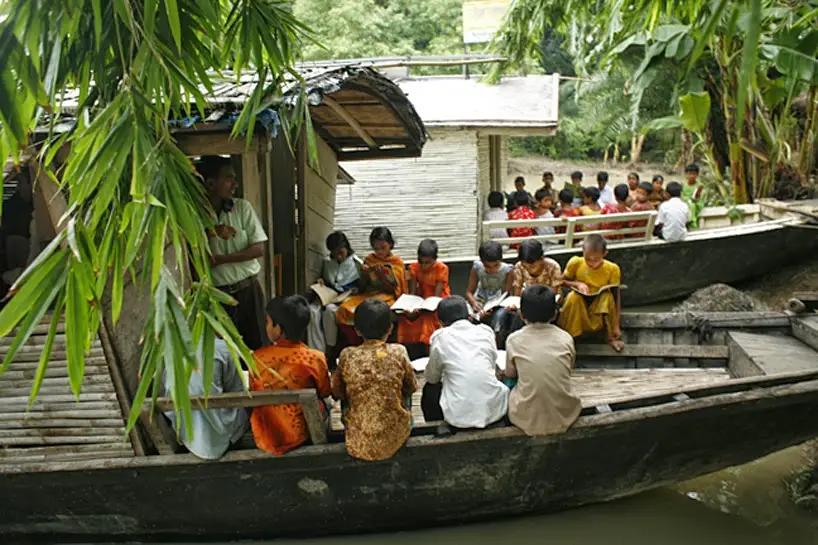
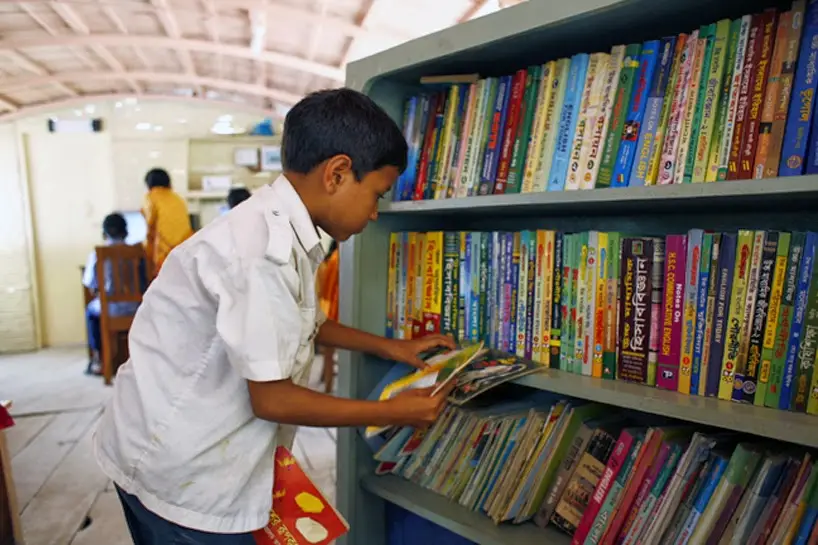
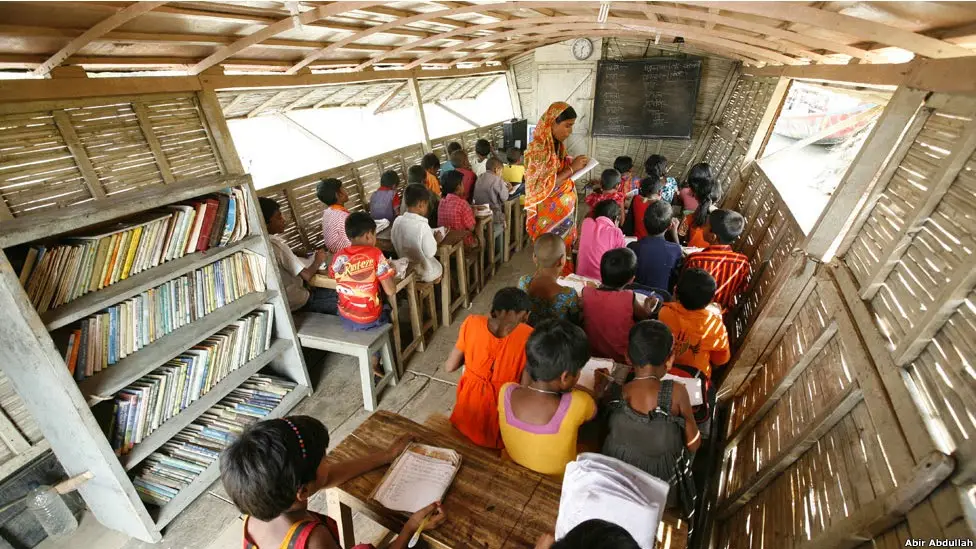
30 students and is equipped with an internet-linked laptop, library and electronic resources, providing basic education
up to the grade IV level. the use of this sustainable source offers flexible school schedules – when the day is over,
students can take home a recharged-low-cost solar lantern, offering them a light source in which to continue study,
while women for example, may continue to stitch quilts after dusk to generate more income for their family. the solar
powered lamps are given to families for free providing their children go to school regularly, and better off households
pay a small monthly fee to receive one of the devices. as agriculture, finance, health, hygiene and nutrition. awards
winner . it is funded through various resources which include crops, fisheries as well as the conversion of kerosene
lanterns into solar ones. outside of education, the venture has also been advantageous in developing solar water
farming to safeguard food supplies, ensuring a year-round income for families in flood prone areas, ultimately
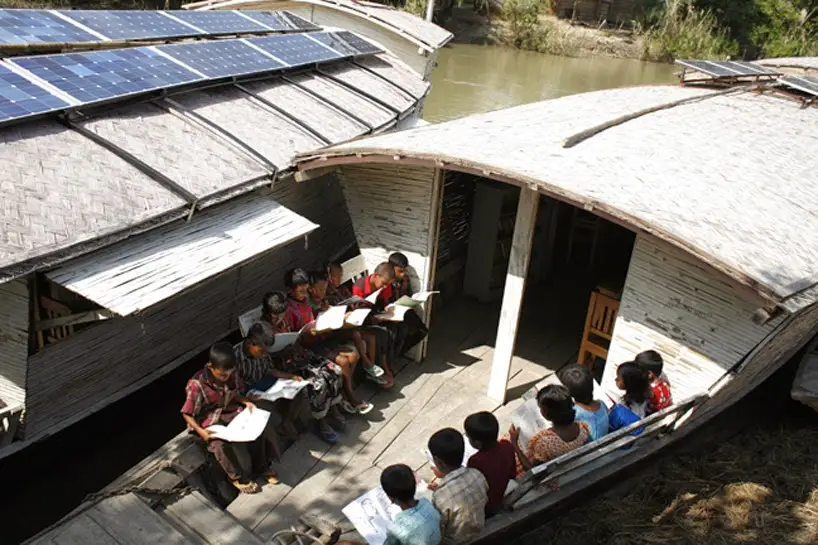
improving the nutritional and health status of children. the computer and overall electricity of the vessels are powered

by solar energy via panels which are installed on their roof-top. outside of the elementary school lessons, the boats
also act as venues for conducting training sessions for the children’s parents on such subjects the project which
first started in 2002, has since benefited 70, 000 children and is a 2012 WISE (world innovation summit for education) .